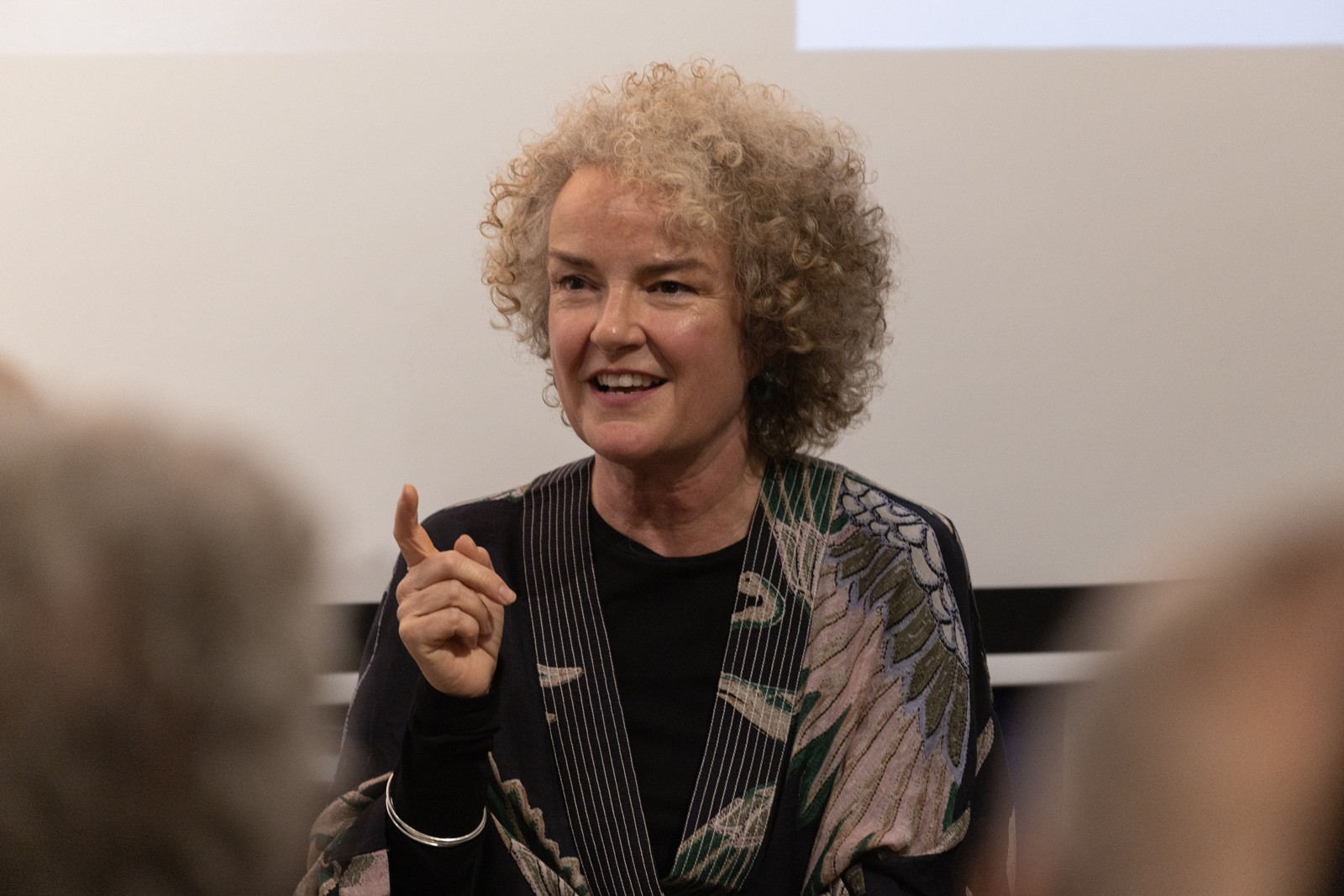
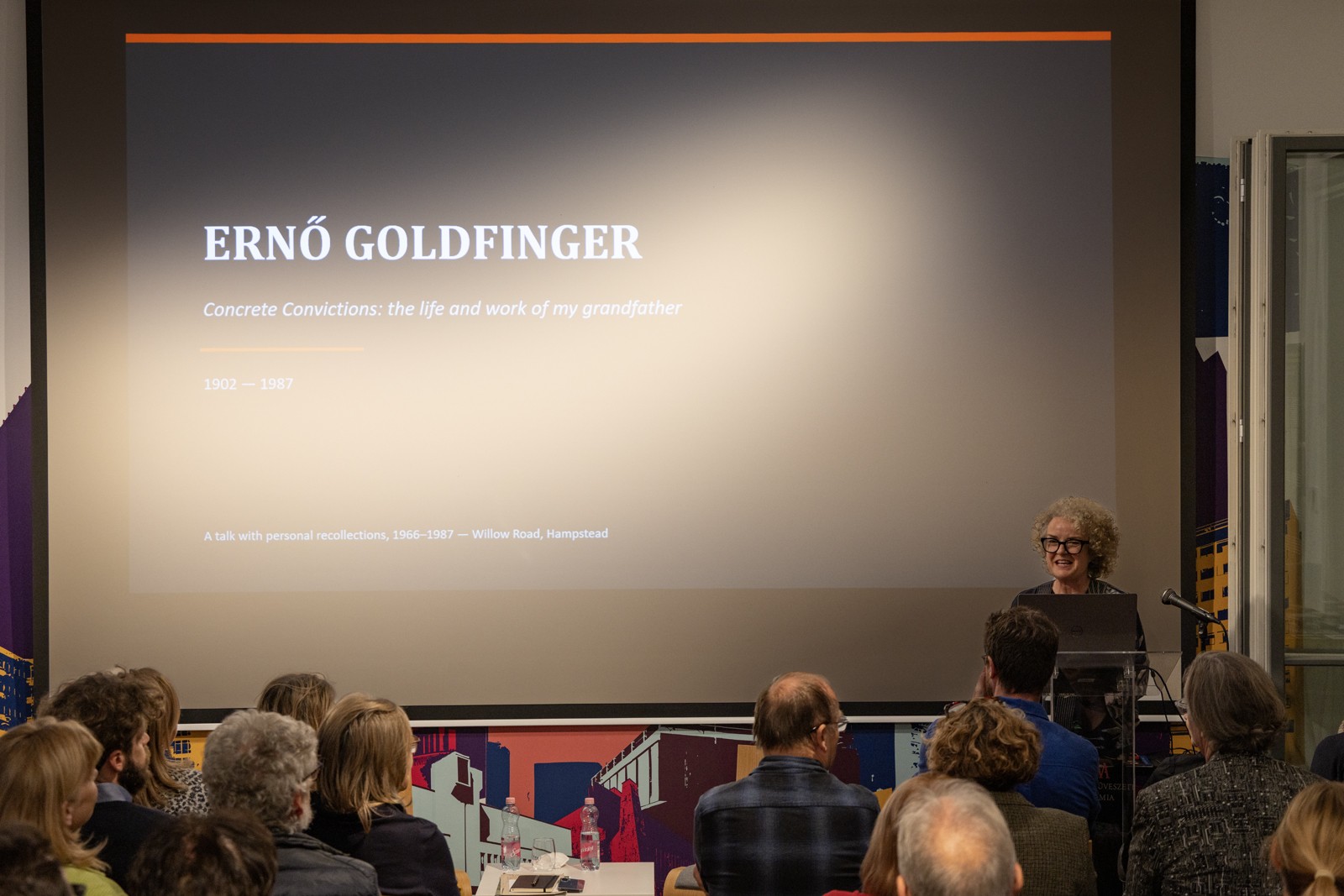
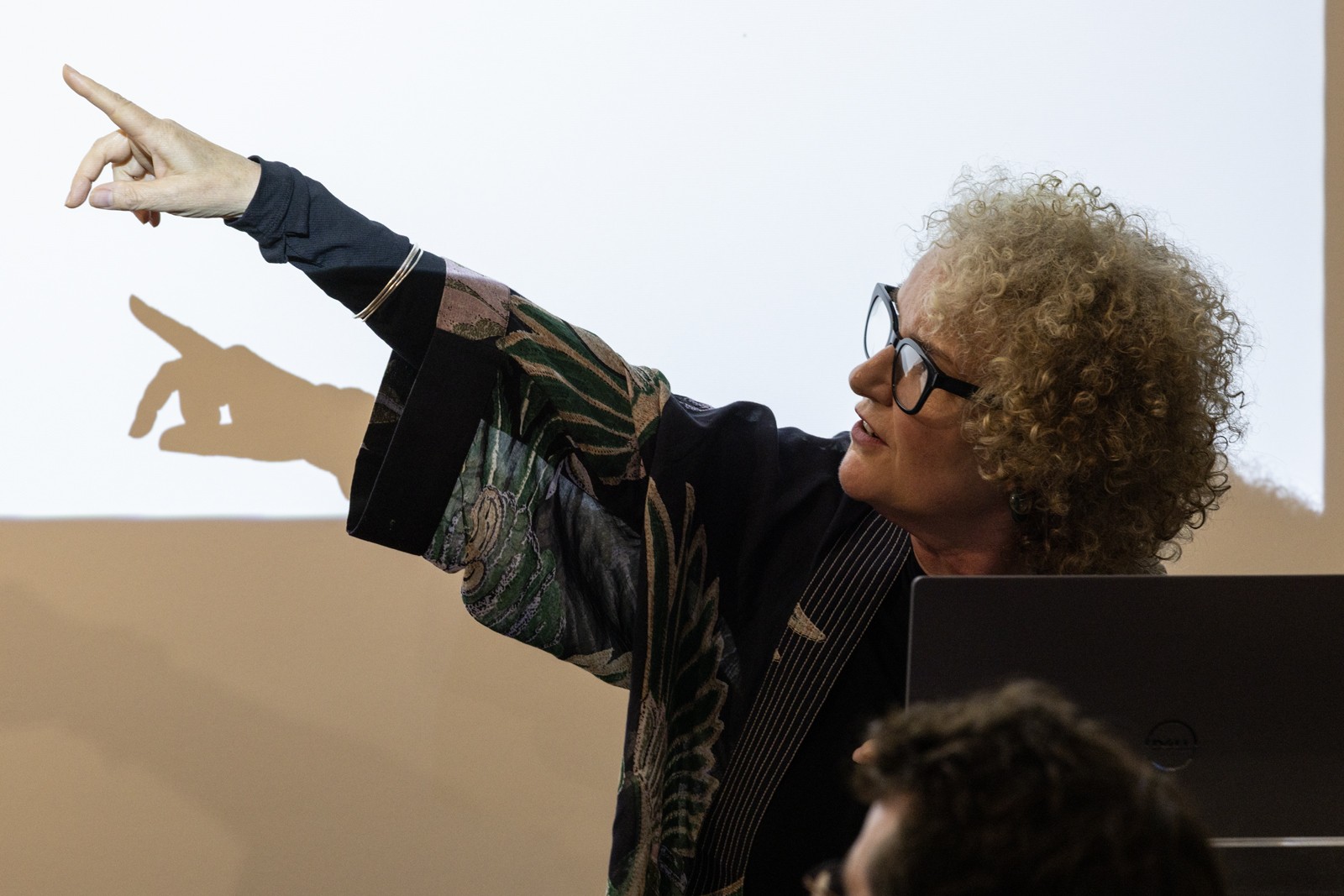
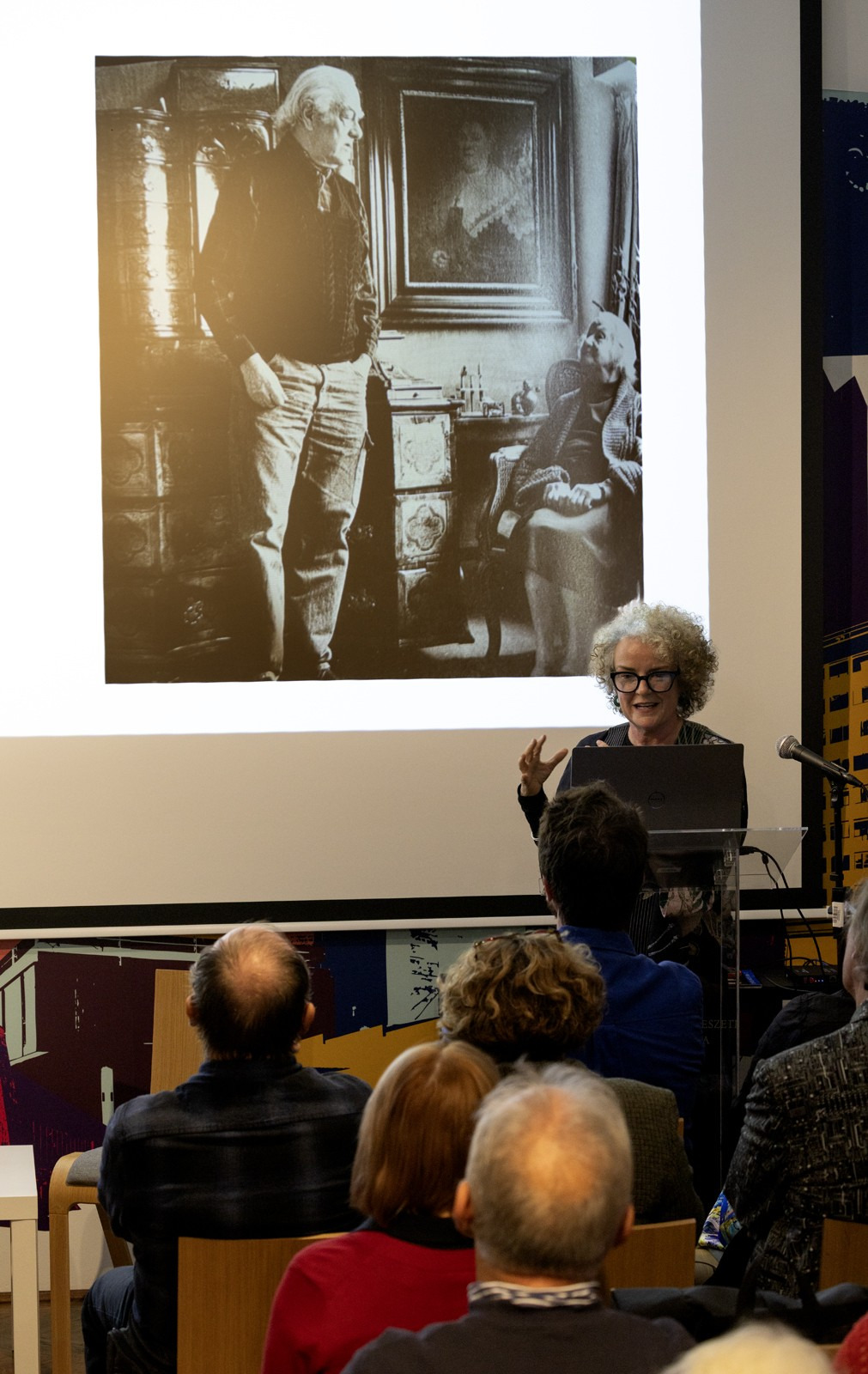
At the invitation of the Hungarian Museum of Architecture, Pippa Goldfinger, director of Design West in Bristol, returned to Budapest after thirty years, a city to which she has family ties through her grandfather. Ernő Goldfinger was, in fact, born in the Hungarian capital. Although he moved to Switzerland whilst still at secondary school, and his professional career subsequently took him to Paris and London, he remained proud of his Hungarian heritage throughout his life, and many still regard him today as a Hungarian – or at the very least a Hungarian-British – architect. His family home at 2 Willow Road, built in 1939, is a pioneering example of British modern architecture; now run as a museum by the National Trust, it remains filled with objects and mementos with Hungarian connections.
Among other things, Pippa Goldfinger shared her memories of this house with the audience, as she used to visit it regularly with her parents for Sunday lunches during her childhood. The family decided to open 2 Willow Road to the public following the death in 1991 of Ursula Goldfinger née Blackwell, Ernő Goldfinger’s wife; making it the first modernist building to come under the management of the National Trust.
Alongside her memories of the former family home, Pippa Goldfinger spoke from her own perspective about the decline in popularity of Brutalist architecture – specifically the Trellick and Balfron Towers designed by Goldfinger – in the 1970s, and subsequently the rediscovery of the movement. Since the 2010s, both famous tower blocks have been restored and are now considered sought-after places to live in London. According to Pippa, as well as their official listed status, the reason for the towers’ popularity lies in the fact that younger generations have no memory of the troubled 1970s.
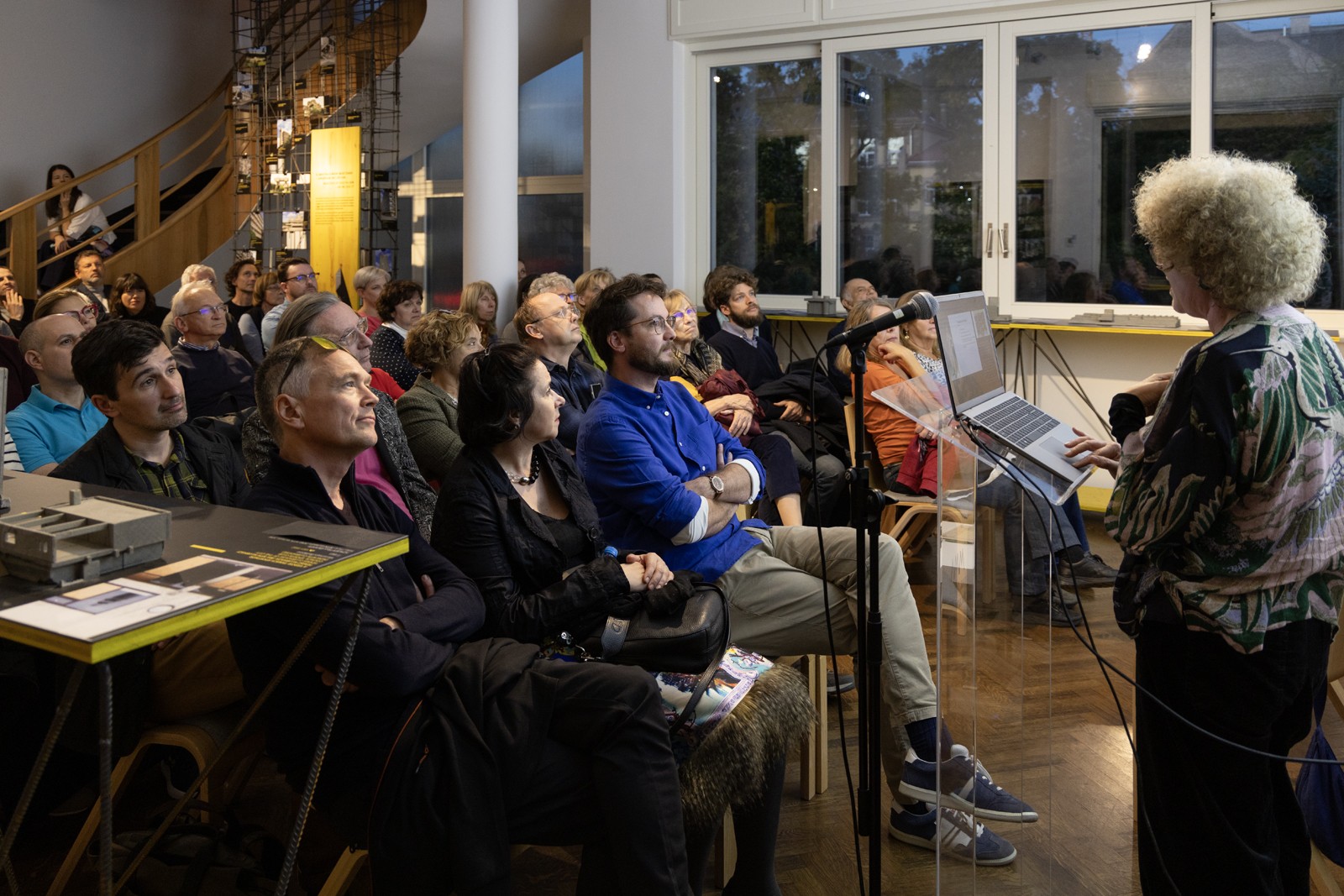
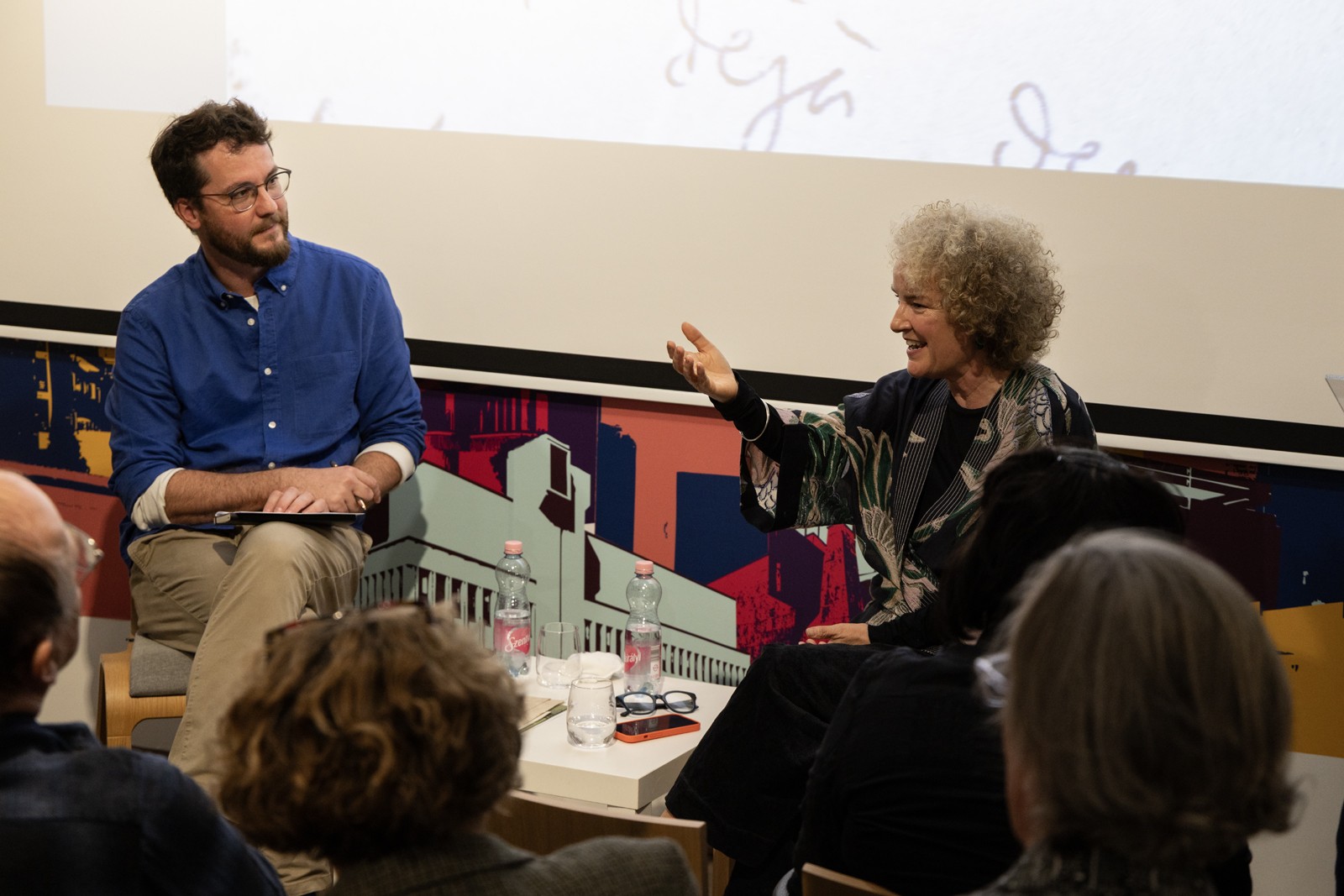
Following Pippa Goldfinger’s sold-out lecture, she spoke with Dániel Kovács, the curator of our exhibition ‘Breuer, Goldfinger and Other Magyars – Brutalist Architecture in and out of Hungary’, and then answered questions from the audience. A special highlight of the evening was the unveiling of several drawing copies from the Goldfinger practice, which museum staff had discovered whilst cataloguing the Gellért Kuba estate recently delivered to the museum.